

The biology behind blue stain in beetle kill pine
Posted: March 14, 2014Updated on 1/11/2023
The Biology Behind What Causes Blue Stain In Pine
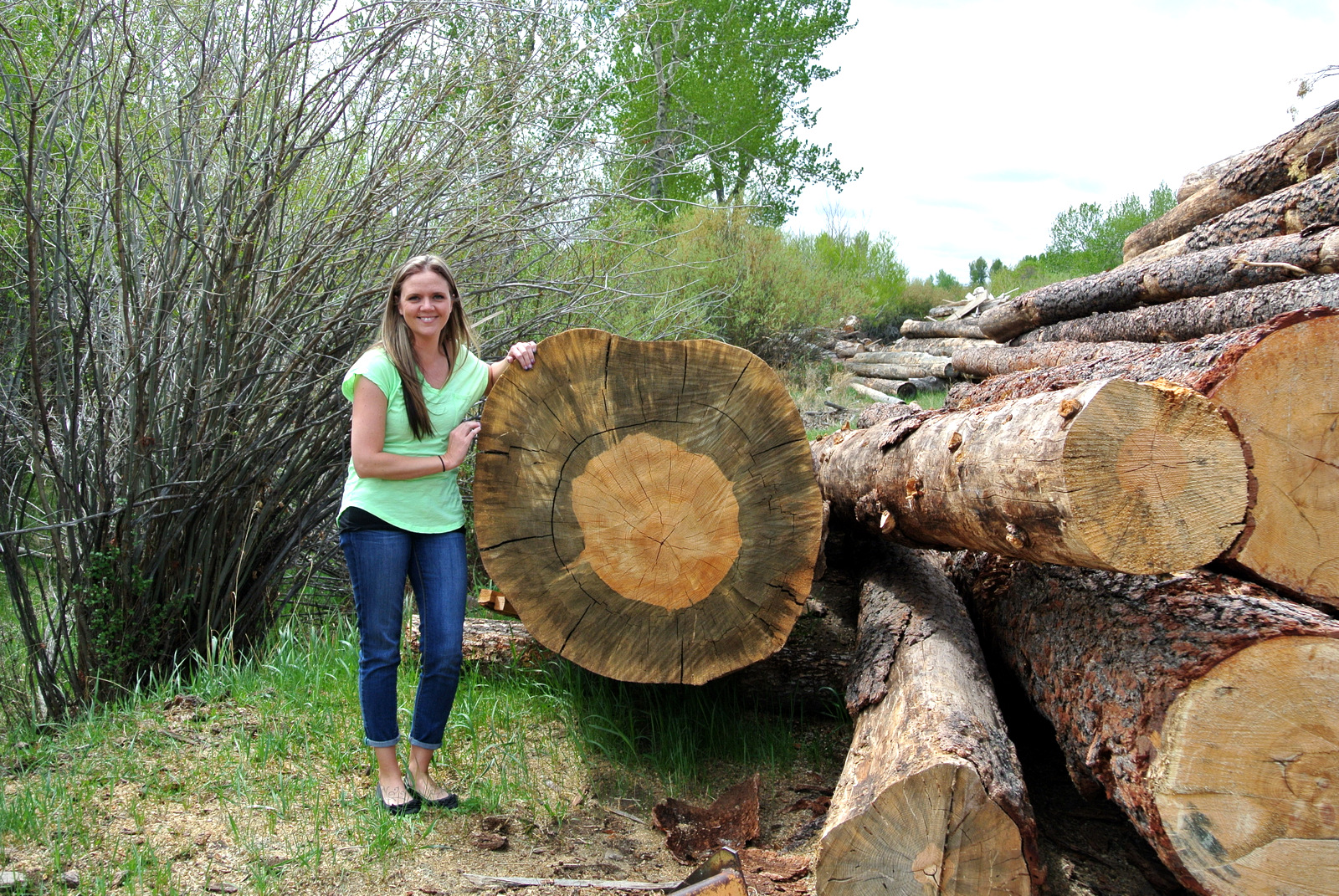 Many wonder what blue stain pine is and what causes it. To fully understand what gives our Beetle Kill Pine flooring and blue pine wall paneling their color, we need to look into the biological concept of symbiosis. The term symbiosis comes from the Ancient Greek “syn” — “with” — and “bíosis” — “living” — and is the close and often long-term interactions between different biological species. Often this interaction is obligate, in that neither can live without the other. One classic example is lichen, a combination of a fungus and green algae. The fungus provides housing (protection from the elements), and their food is made by the algae via the sun and its photosynthetic capabilities.
Blue-Stain Fungus in Pine Wood
The mountain pine beetle (MPB) and the blue-stain fungus is another excellent example of symbiosis. The blue-stain fungus travels from tree to tree on a special structure in the beetle’s mouth parts. This is its means to travel to new trees. The fungus helps the beetle by stopping the tree from producing its natural defense resin, and the beetles are hence able to mine and lay eggs while avoiding the tree’s defenses. The fungus also benefits the beetles by improving the host environment for the beetle progeny and serving as food for the larvae and adult beetles.
In a published study comparing beetle success in the presence and absence of fungi, the beetles were unable to reproduce in the absence of the fungi. Although the fungi alone can kill host trees, the combined action of the fungi and the beetles is responsible for the rapid death of the tree. So here we have a deadly combination.
According to the USDA, the mountain pine beetle and the blue-stain fungus have impacted trees more than 1200 miles of trails, 4,600 miles of road, and 47,000 acres of developed recreation sites over 6.3 million acres in Montana, Colorado, and southeastern Wyoming.
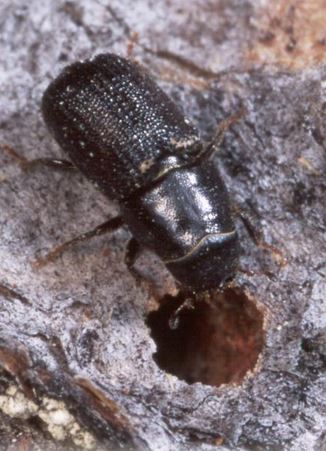 The MPB is a species of bark beetle native to the forests of western North America. It has a hard black exoskeleton and is about the size of a grain of rice. They inhabit lodgepole, Scotch, ponderosa, and limber pine trees. During the early stages of an outbreak, attacks are limited largely to trees under stress or old age. As beetle populations increase, the beetles attack the largest trees in the outbreak area such as high-risk lodgepole pine stands that are more than 80 years old with an average diameter of more than 8 inches. The mountain pine beetle begins attacking most pine species on the lower 15 feet of the trunk. They need adequate food, found in large-diameter trees, for their population to build up. After the larger lodgepole pines are killed, beetles infest smaller and smaller trees, where the phloem is thin and excessive drying occurs. (This is the innermost layer of bark which is where food goes from the leaves, down through the branches and trunk to the roots.) Beetle populations then decline to endemic or normal levels.
How Does The Pine Beetle Kill
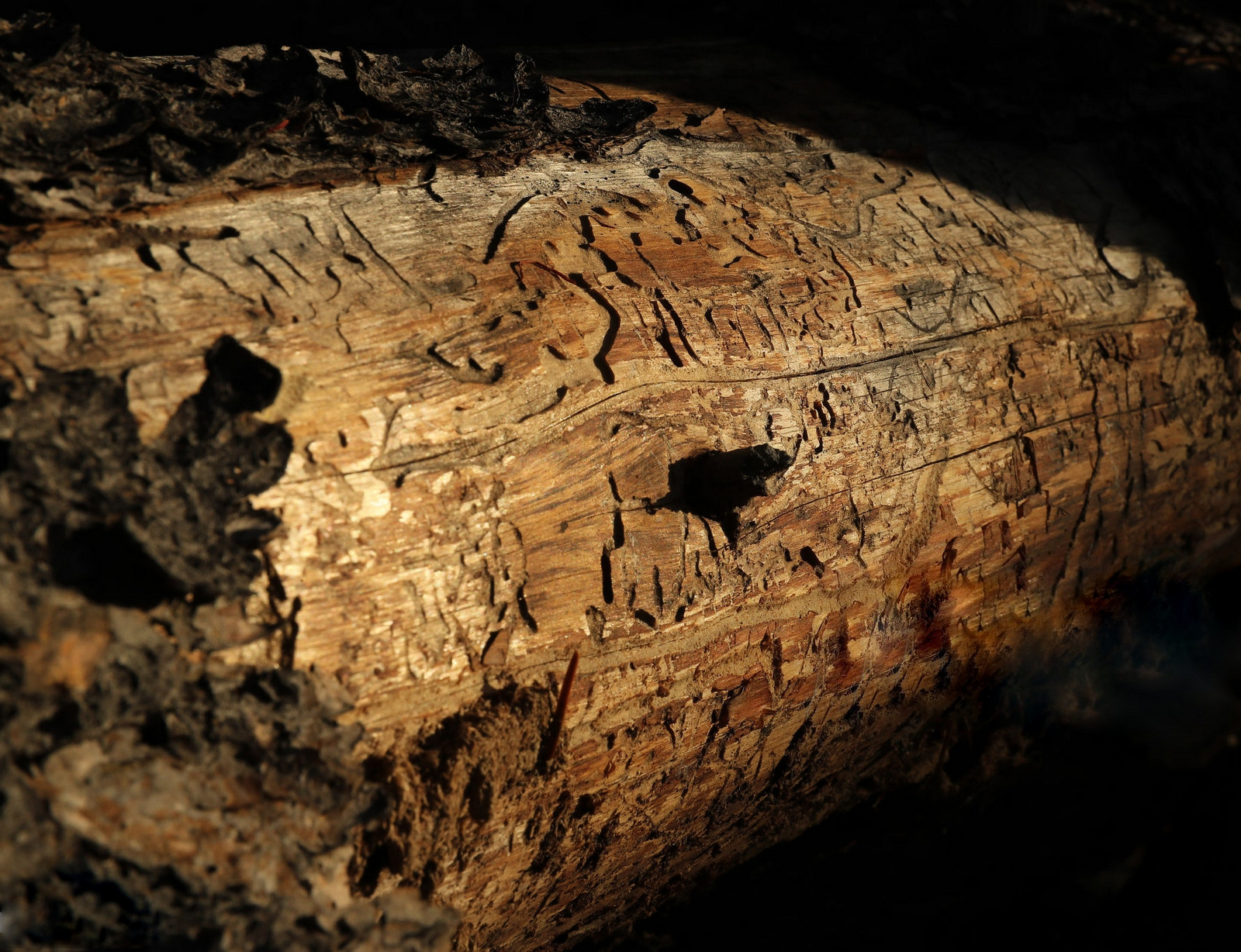
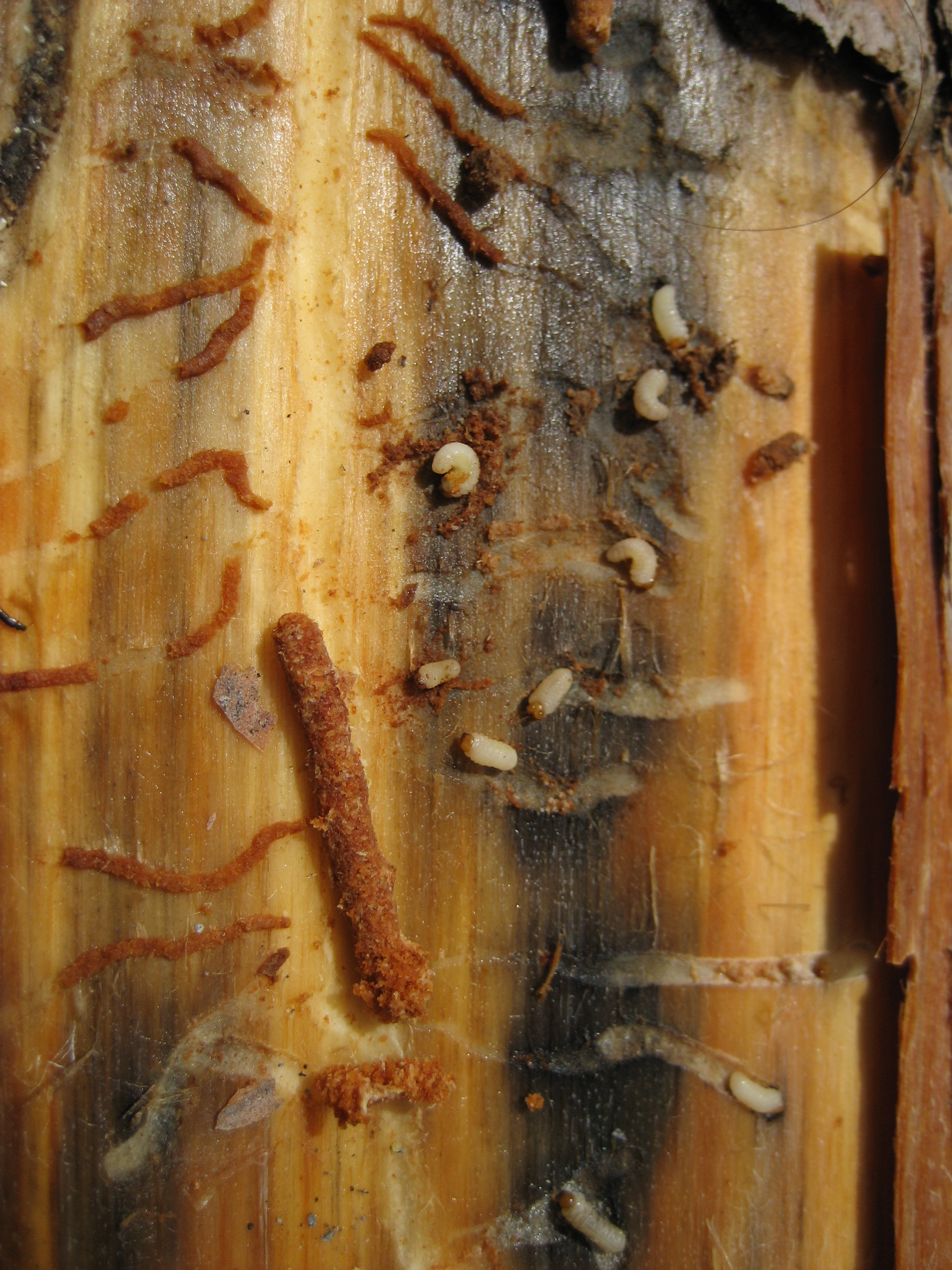
Pine beetles kill trees by boring through the bark into the phloem layer on which they feed and in which eggs are laid. Female beetles initiate attacks, producing attractants that cause more beetles to come to the site, and then they stage a mass attack. If successful, each beetle pair mates to form a vertical tunnel (egg gallery) under the bark and produces about 75 small, white, oval eggs. Following the egg hatch, larvae tunnel away from the egg gallery. They require several months to develop, usually over-wintering as larvae. MPB larvae spend the winter under the bark and are able to survive the winter by producing an antifreeze. The great majority of beetles exit lodgepole pine during late July. One or more beetles will make an exit hole from which several adults will emerge. Within a day or two of emerging, the beetles will attack other trees.
Within about two weeks of a beetle attack, trees starve to death as the phloem layer is damaged by the fungus and beetles so that the flow of water and nutrients is cut off. After particularly hot summers, the mountain pine beetle population can increase dramatically, deforesting large areas.
Infested trees usually show pitch tubes that look like dark-red masses of resin mixed with boring dust that looks like fine sawdust. Needles on successfully infested trees begin fading and changing color several months to one year after the trees have been attacked.
Is the Epidemic Waning?
 Predators of the pine beetles probably play a role in reducing beetle numbers during endemic periods but do not control the beetles during epidemics. Woodpeckers feed heavily on larvae in some trees, making holes in the bark, causing the bark to dry and thus killing additional beetles. Several other bird species, including nuthatches, feed on adults exposed during flight or as they attack. Nematodes (internal parasitic worms), can hinder or prevent egg production. A fly and two species of checkered beetles are common predators and may reduce beetle numbers in individual trees but seldom affect mountain pine beetle infestations. Parasitic wasps sometimes cause substantial mortality of larvae.
Unseasonably low temperatures may retard outbreaks. Early autumn or mid-spring temperatures of about 0 degrees F and winter temperatures below -34F may affect outbreaks. Beetles in thick-barked trees and in portions of tree trunks that are below the snow line, however, are protected from the cold and more likely to survive.
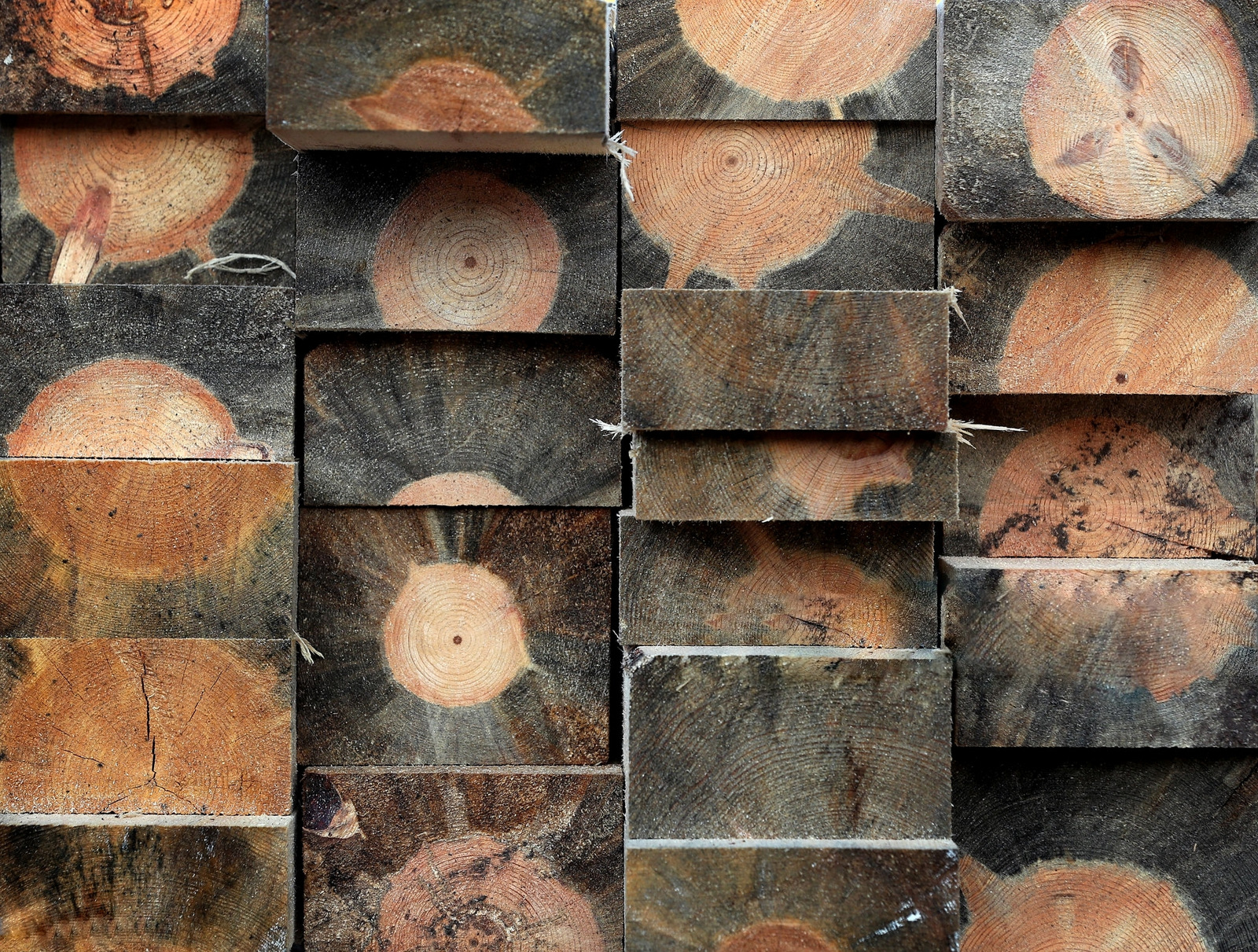 Grosmannia clavigera is a species of sac fungus and the other member of the deadly duo. The blue stain fungus spores germinate and produce a thread-like mass that colonizes the phloem and sapwood. Blue-stain spores are “sticky” and eventually block the water-conducting columns of the tree draining the trees of their nutrients and eventually causing the tree to starve to death. The symptoms and signs of blue stain fungus are a blue-gray discoloration of sapwood in wedge shapes of recently killed trees. The discoloration arises from the deep pigmentation of the fungus. Scientists sequenced the genome of this fungus in 2009 and hope to understand the mechanisms of interaction of the bark beetle and fungus and the tree host.
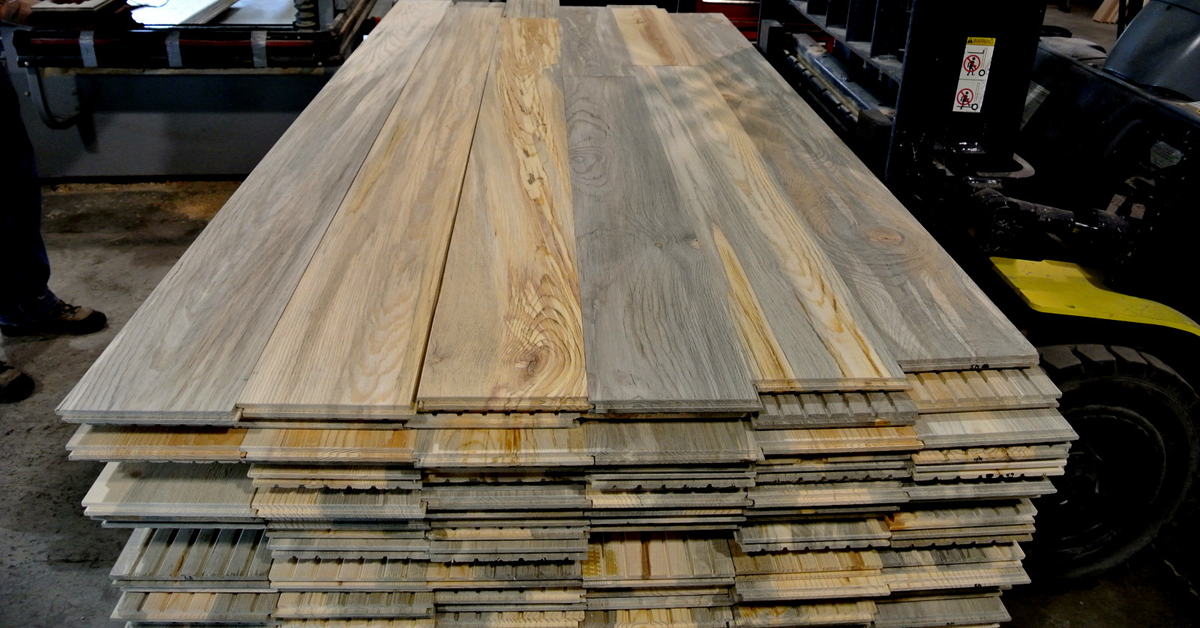 The dark side of bluewood is that these very small creatures, the beetle and fungal symbiont, may be the cause of the largest blight ever seen in North America. Climate change may have contributed to the size and severity of the outbreak and may affect the capability of northern forests to remove greenhouse gasses from the atmosphere.
The Mountain Pine Beetle epidemic swept through Montana 10+ years ago. These dead trees are now rotting on the stump in the forest. We can only salvage approximately 35% of each tree, compared to salvaging over 90% ten years ago. Unfortunately, this product may not be available within a year.
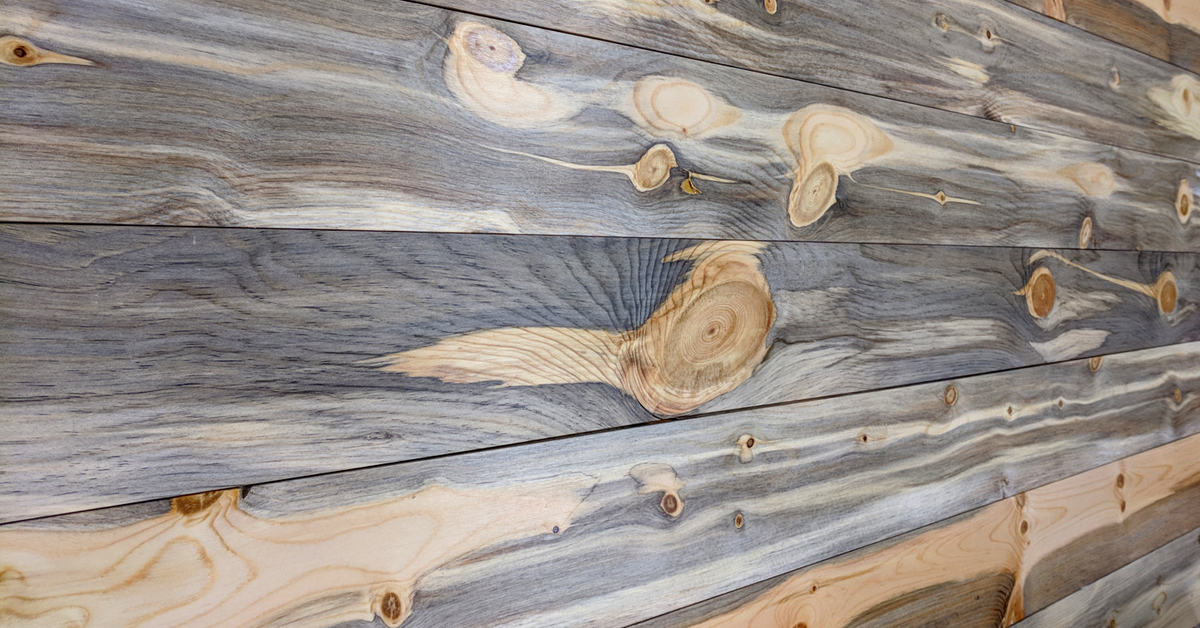 Click here to read more about the Beetle Killed Pine shortage. Click for a deep dive into Beetle Killed Pine. All our beetle-killed pine is available in unfinished or prefinished.
Our knowledgeable and educated staff is here to answer any additional questions you may have. Please call us today for a free quote: Ph# 406.642.7120 or click here to submit an inquiry online. We look forward to working with you on your next project!