

What is the best siding for a house?
Posted: July 6, 2026Author – Ryan Palma Owner/CEO Sustainable Lumber Co.
What are the best options for wood siding?
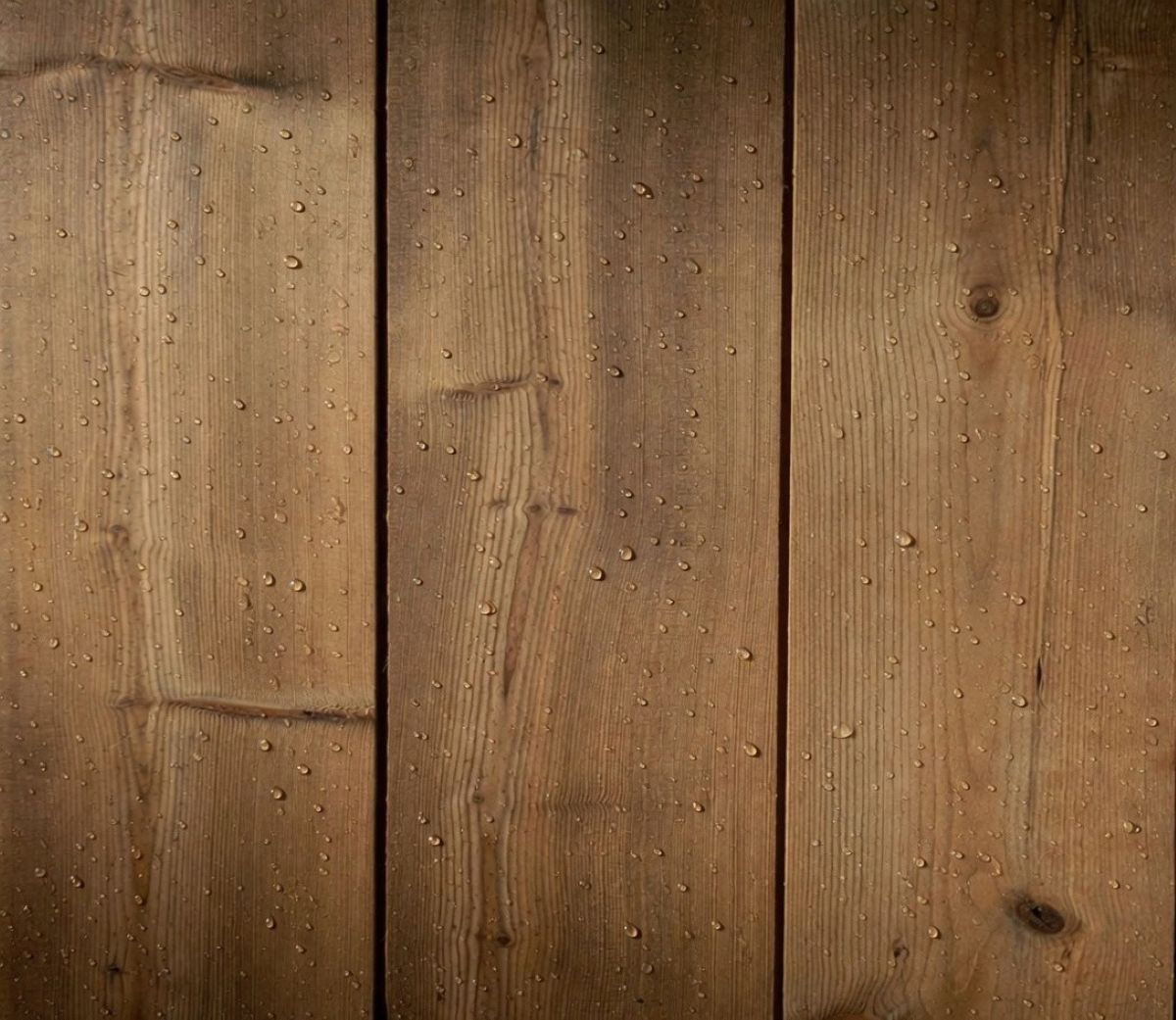 There is no single “best” wood siding for every house, it depends on your priorities: climate performance (especially freeze-thaw cycles), maintenance tolerance, upfront vs. lifecycle cost, aesthetics, sustainability/local sourcing, and desired lifespan.
In demanding climates (extreme temperature swings, snow, wind, UV exposure, and freeze-thaw cycles that stress materials through repeated moisture absorption and expansion), dimensional stability and resistance to rot, insects, and moisture become the most critical factors. Proper installation (flashing, housewrap, ventilation or rainscreen systems, and correct overlaps/gaps) matters as much as the material itself.
Here’s a thorough breakdown of the main wood siding options.
Key Evaluation Criteria for Wood Siding
- Dimensional stability: How much it shrinks, swells, warps, or cups with moisture and temperature changes.
- Durability: Resistance to rot/decay, insects, and weathering.
- Maintenance: Frequency of staining, painting, cleaning, or sealing.
- Cost: Material + installation (initial) and total ownership over 20–30+ years.
- Aesthetics & profiles: Natural look, color/grain, modern options like nickel-gap T&G, shiplap, lap, or board & batten.
- Sustainability: Chemical use, sourcing (local vs. imported), carbon footprint, and renewability.
- Warranty & real-world performance: Manufacturer claims vs. field results.
- Other: Weight, workability, fire resistance, insulation value (wood generally offers decent R-value ~1), and repairability.
Main Wood Siding Options
1. 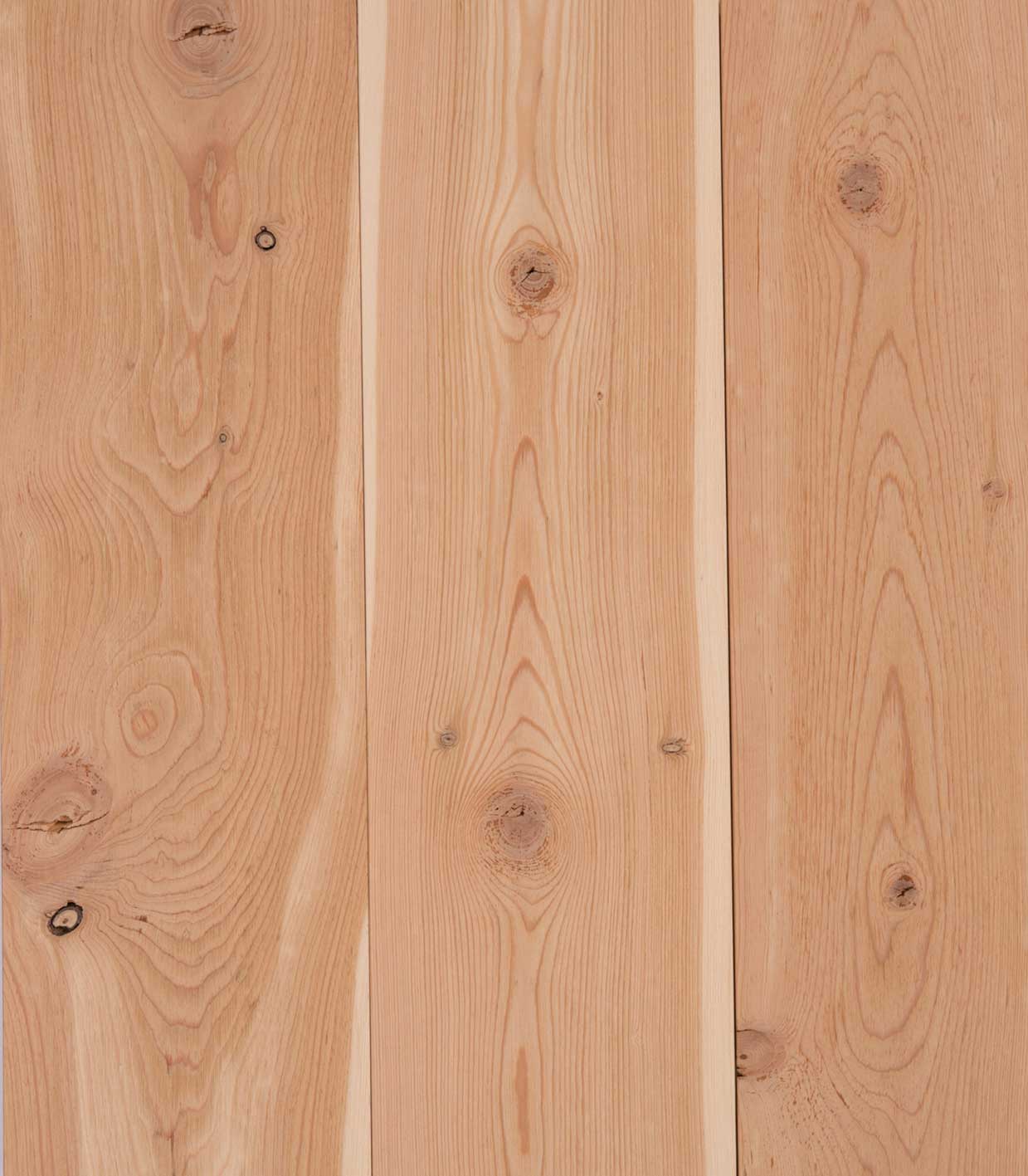 Western Red Cedar (and similar species like Redwood) Classic, premium choice prized for natural beauty and some inherent decay resistance from natural oils and tannins. Often used in clear or vertical grain grades for better stability. Pros: Timeless aesthetic that weathers gracefully (or can be stained/painted), lightweight, good insulation, renewable when sustainably sourced, repairable. Cons: Requires regular maintenance (stain or seal every 3–7 years depending on exposure); can cup, warp, or check if not properly installed or if flat sawn; higher upfront and lifecycle cost due to upkeep; fades without protection; susceptible to rot/insects in prolonged wet conditions. Performance in cold/freeze-thaw climates: Good with proper care and vertical grain material, but not the most stable. Cost (approx. 2026): Higher end, often $8–16+ per sq ft installed (material alone can be premium). Lifespan: 20–40+ years with diligent maintenance. Best for: Homeowners who love traditional or craftsman looks and are willing to invest in upkeep.
2. Other Solid Woods (Pine, Spruce, Fir, Hemlock, etc.) More affordable untreated or lightly treated options. Pros: Lower initial cost, natural look, widely available. Cons: Prone to warping, rot, and insect damage without rigorous painting/sealing or chemical treatment; higher long term maintenance. Performance: Variable; struggles more in wet or freeze-thaw conditions unless well-protected. Cost: Lower than cedar (e.g., pine clapboard often $5–8/sq ft installed range). Best for: Budget conscious projects where siding will be painted and maintained.
3. Engineered Wood Siding (e.g., LP SmartSide) Made from wood strands or fibers treated with resins, waxes, and zinc borate for enhanced resistance. Offers a textured wood-like appearance. Pros: Better moisture, rot, and termite resistance than untreated solid wood; consistent quality; good warranties (often 20–50 years limited); lower maintenance than solid wood (occasional repaint every 10+ years possible); easier handling in some cases. Cons: Not “real wood” for purists; performance depends heavily on sealing cuts/edges during install; some reports of medium maintenance needs. Performance in cold climates: Strong performer due to treatments; handles freeze-thaw better than untreated wood. Cost: Mid-range, often $7–15/sq ft installed. Lifespan: 20–50 years with proper install. Best for: Balance of wood aesthetics, durability, and practicality.
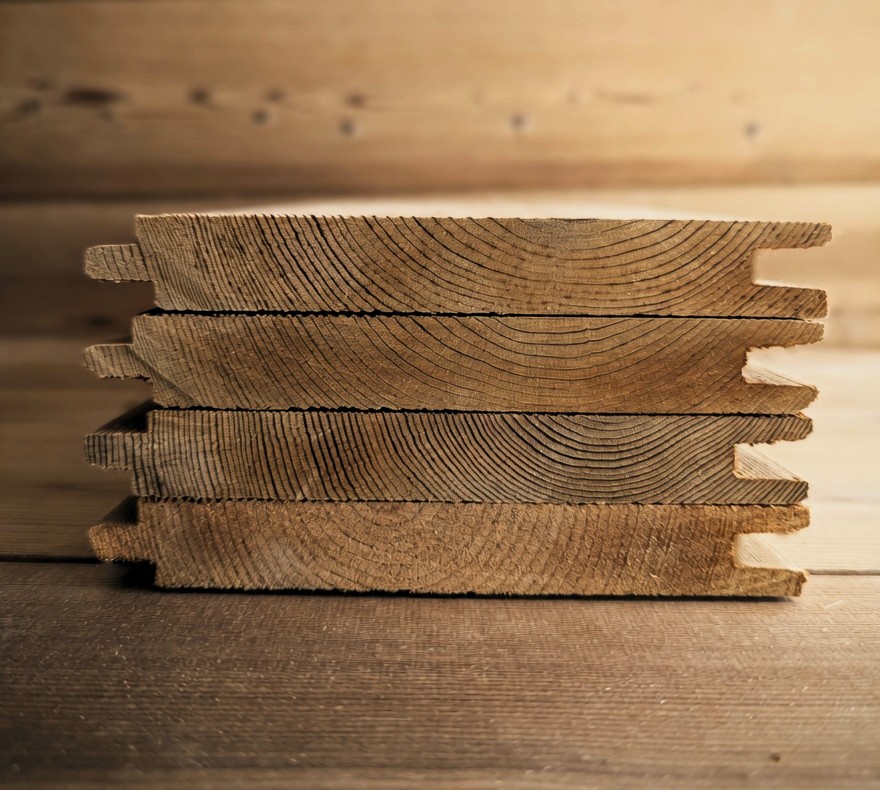
4. Thermally Modified Wood (TMW) Siding – TMW is real wood (often softwoods like spruce, pine, hemlock, fir, or hardwoods like ash) that undergoes a controlled heat treatment process (typically 160–230°C / ~320–446°F) in a low-oxygen environment with steam. No chemicals or preservatives are added, the heat modifies the wood’s cell structure by breaking down hemicellulose (the part that absorbs water) and altering other components.
Key Benefits:
 Exceptional dimensional stability: Absorbs up to 50%+ less moisture than untreated wood → dramatically reduced swelling, shrinking, warping, and cupping. This makes it outstanding for freeze-thaw cycles and extreme temperature/humidity swings.
- High durability: Excellent resistance to rot, decay, and insects (often rated Class 1–2 durability, comparable or superior to heartwood cedar in lab and many field conditions). Sugars are “cooked out,” removing food sources for pests.
- Low maintenance: Can be left unfinished to weather to a beautiful silver-gray patina or finished with oils/stains to retain the rich caramel/amber toasted color. Many users report very low upkeep compared to cedar.
- Sustainability: Chemical free process; enables use of abundant, fast growing local species instead of relying on imported tropical hardwoods or heavily treated lumber. Local production further reduces shipping emissions and supports regional economies/forests.
- Aesthetics: Consistent, attractive toasted color and grain that works for modern, rustic, or transitional designs. Popular profiles include nickel-gap T&G (very on trend), shiplap, and others.
- Warranties & lifespan: Many manufacturers offer 20–30+ year warranties against decay/rot (some longer in specific conditions); real-world service life often 25–50+ years with proper installation. Some field variability exists depending on species, treatment intensity, exposure, and install quality.
Potential Drawbacks:
- Can be slightly more brittle (lower impact/bending strength than untreated wood) – handle carefully during install.
- Initial color can fade over time with UV exposure (mitigated by finishes or accepting natural graying).
- Upfront cost is typically higher than basic pine but often lower than premium clear cedar.
- Quality and performance can vary by manufacturer and process, choose reputable suppliers with proven track records.
- Availability is growing rapidly but not yet as ubiquitous as cedar in every market.
Performance in Cold/Harsh Climates: One of the strongest options among wood sidings due to superior stability and low moisture uptake. It handles harsh conditions well when properly installed.
Domestic and local production is emerging and advantageous. For example, Montanafied thermally modified Engelmann Spruce siding, made from Montana grown spruce, processed and made locally. It emphasizes chemical free treatment, fine grain, and local sustainability. Benefits include lower carbon footprint, faster availability (no long import lead times), less expensive (less shipping costs and no tariffs), support for local forests and jobs, and species well suited and local to the region.
Cost (approx. 2026): Competitive, often lower upfront material cost than clear Western Red Cedar. Examples range from roughly $7.50 per square foot for unfinished to $12.00+ per square foot for prefinished or premium specs (installed costs higher, in the mid to upper range similar to or slightly below premium cedar). Lifecycle costs are favorable due to durability and low maintenance.
Installation Tips: Use rainscreen/ventilated systems where possible for maximum longevity. Ensure excellent flashing and proper gaps/overlaps. It works well horizontally or vertically.
Best For: Homeowners seeking high performance, lower long term maintenance, sustainability, and modern or timeless wood aesthetics, especially in variable or cold climates. It bridges the gap between affordable softwoods and premium durable species without chemicals.
Recommendations by Priority
 Low maintenance + strong performance in harsh climates: Thermally modified wood or engineered wood siding.
- Premium traditional/natural beauty + okay with upkeep: Western Red Cedar (vertical grain/clear preferred).
- Budget with painted finish: Engineered wood or solid wood.
- Maximum sustainability + local impact: Locally produced thermally modified wood, specifically domestic woods, which reduces emissions, carbon footprint, and supports local and regional supply chains.
- Modern architectural look: Thermally modified wood with a nickel gap or fluted profiles.

Final Advice
The “best” wood siding is the one that best matches your specific home, climate, budget, and values when installed correctly. Thermally modified wood siding stands out as a modern, high performing evolution of wood cladding, while delivering enhanced stability, durability, and eco-credentials that make it particularly compelling for places with harsh environments. Local production options further strengthen its case by minimizing environmental impact and improving availability.
Always:
- Get samples.
- Work with experienced installers.
- Review local code requirements (such as wildland-urban interface compliance (WUI zones).
- Consider total lifecycle cost, not just initial price.
- Consult professionals for your specific site conditions.
Questions?
Give us a call at (406) 642-7120 or stop by our showroom in Missoula. Our knowledgeable team at sustainable lumber is here to answer any additional questions you may have. Call us today or click here to submit an inquiry online. We look forward to helping you with your next project!