

What’s the difference between heartwood and sapwood?
Posted: March 2, 2026Author – Ryan Palma Owner/CEO Sustainable Lumber Co.
Click on these links to view our extensive line of sustainable hardwood flooring, or email us for a pricing quote, or call us at 406-642-7120
Heartwood vs. Sapwood: Understanding the Key Differences and Their Impact on Hardwood Flooring
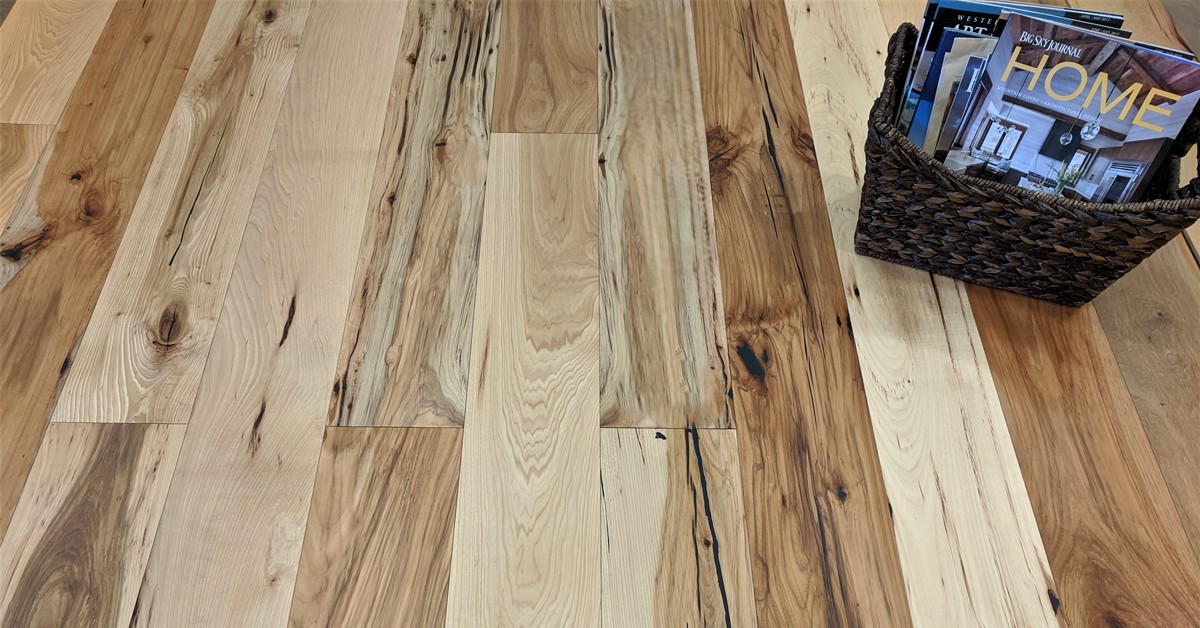 When selecting hardwood flooring, you might notice variations in color, grain, and even durability across boards, even within the same species. Much of this comes down to two fundamental parts of the tree: heartwood and sapwood. These aren’t just botanical terms, they directly influence the look, performance, and longevity of your floors.
Whether you’re a homeowner upgrading your space, a designer aiming for a specific aesthetic, or a builder focused on durability, knowing the difference helps you make informed choices.
 What Is Sapwood?

Sapwood is the outer, younger portion of the tree’s trunk. It’s the living (or recently functional) layer that transports water and nutrients from the roots to the leaves, essentially the tree’s plumbing system.
- Color: Typically light, pale, creamy, yellowish, or even whitish.
- Moisture content: Higher when the tree is freshly cut.
- Properties: Contains more moisture and fewer natural protective compounds, making it somewhat more susceptible to moisture changes, decay, and insects if not properly processed.
In many species, sapwood forms a distinct lighter band just beneath the bark.
 What Is Heartwood?
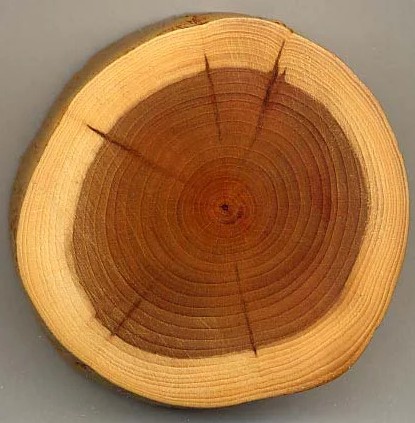
As a tree matures, the inner sapwood cells gradually die and transform into heartwood. This central core no longer conducts sap but becomes fortified with natural chemicals called extractives (resins, tannins, oils, and phenols).
- Color: Usually much darker, rich browns, deep reds, chocolates, or purples, depending on the species.
- Properties: Denser, drier, more stable, and naturally resistant to decay, fungi, insects, and rot thanks to those protective extractives.
- Role: Provides structural strength and long-term stability.
Heartwood is what gives most premium hardwoods their signature rich tones.
How Heartwood and Sapwood Affect Hardwood Flooring
 In flooring production, manufacturers mill logs into boards that can include varying amounts of heartwood and sapwood. This mix creates real differences in performance and appearance.
Durability and Stability Heartwood wins here. Its natural preservatives and lower moisture permeability make it more resistant to wear, warping, cupping, and biological threats. Properly kiln-dried sapwood performs well in controlled indoor environments, but heartwood dominant boards generally offer superior long-term reliability, especially in high-traffic areas or humid climates.
Color and Aesthetic Variation This is where personal taste comes in:
- Mostly heartwood: Uniform, rich color (ideal for classic, elegant looks).
- Significant sapwood: Natural light/dark contrasts, streaks, or bands that add character and a more rustic, organic feel.
Many species showcase dramatic differences:
- Walnut: Sharp contrast between creamy sapwood and deep chocolate-brown heartwood—often embraced for bold, modern designs.
- Hickory or white oak: Sapwood can appear as light streaks or bands amid warmer heartwood tones, creating lively variation.
 Flooring Grades and Choices

- Higher grades (Select, Clear, or Prime) prioritize heartwood for consistent color and fewer variations.
- Character or rustic grades include a mixture of sapwood and heartwood for personality and contrast.
- Some mills offer steamed options (especially walnut) to darken sapwood and reduce contrast.
Modern processing; kiln drying, acclimation, and quality milling, ensures the flooring holds up beautifully in any home.
Bottom Line: Which Is Better for Your Floor?
Heartwood is generally preferred for premium durability and rich, uniform color. Sapwood brings natural beauty, visual interest, and often a more budget-friendly or character driven option. The “best” choice depends on your style: sleek and sophisticated (heavy heartwood) or warm and rustic (balanced mix).
Next time you’re shopping for hardwood flooring, check the species, grade, and photos for heartwood/sapwood ratios. It’s not just about the wood, it’s about how the tree’s natural anatomy translates into a floor that lasts and looks great for decades.
Contact us for a quote
Our knowledgeable team at sustainable lumber is here to answer any additional questions you may have. Call us today for a free quote on our sustainable wide plank hardwood flooring at (406) 642-7120 or click here to submit an inquiry online. We look forward to helping you with your next project!