

What causes the blue stain color in Beetle Killed Pine?
Posted: February 16, 2026Author – Ryan Palma Owner/CEO Sustainable Lumber Co.
Click on these links to view our extensive line of sustainable hardwood flooring, or email us for a pricing quote, or call us at (406) 642-7120
The Natural Beauty of Beetle Killed Blue Stain Pine
 The blue stain color in beetle killed pine (also known as blue stain pine) is one of nature’s most striking examples of symbiosis gone deadly for the tree, but beautiful for woodworking. This phenomenon turns millions of acres of dead standing timber across the Rocky Mountains and Western U.S. into highly sought after lumber with unique, natural patterns. Let’s break down what causes it, how it works, and why it’s not as bad as it sounds.
The Culprit: Mountain Pine Beetle and Its Fungal Partner
The primary driver is the mountain pine beetle (Dendroctonus ponderosae), a tiny bark beetle (about the size of a grain of rice) that targets pine species like lodgepole, ponderosa, and others. These beetles don’t act alone they carry symbiotic fungi that make the attack far more effective.
When adult beetles bore into a tree’s bark to lay eggs, they introduce spores of blue-stain fungi (mainly Grosmannia clavigera, along with related species like those in the Ophiostomatales order). The beetles transport these spores in specialized pockets on their mouthparts called mycangia.
Once inside:
 The fungi grow rapidly through the tree’s phloem (the nutrient-transport layer under the bark) and sapwood (the outer, living wood).
- They produce dark pigmented thread like structures (hyphae), often rich in melanin like compounds, creating the signature blueish gray to bluish black streaks, wedges, or patches.
- This staining appears primarily in the sapwood, often in the outer portions of logs.

The fungus doesn’t just stain, it helps kill the tree by:
- Blocking the tree’s resin defense (pitch flow) that would normally drown or push out the beetles.
- Clogging water conducting tissues (xylem), starving the tree of water and nutrients.
In return, the beetles provide the fungi with transport to new trees and a protected environment, while the fungi serve as food for beetle larvae and adults. It’s a perfect partnership for the insects and fungi, but devastating for the pine.
Why Blue? And What About Other Colors?
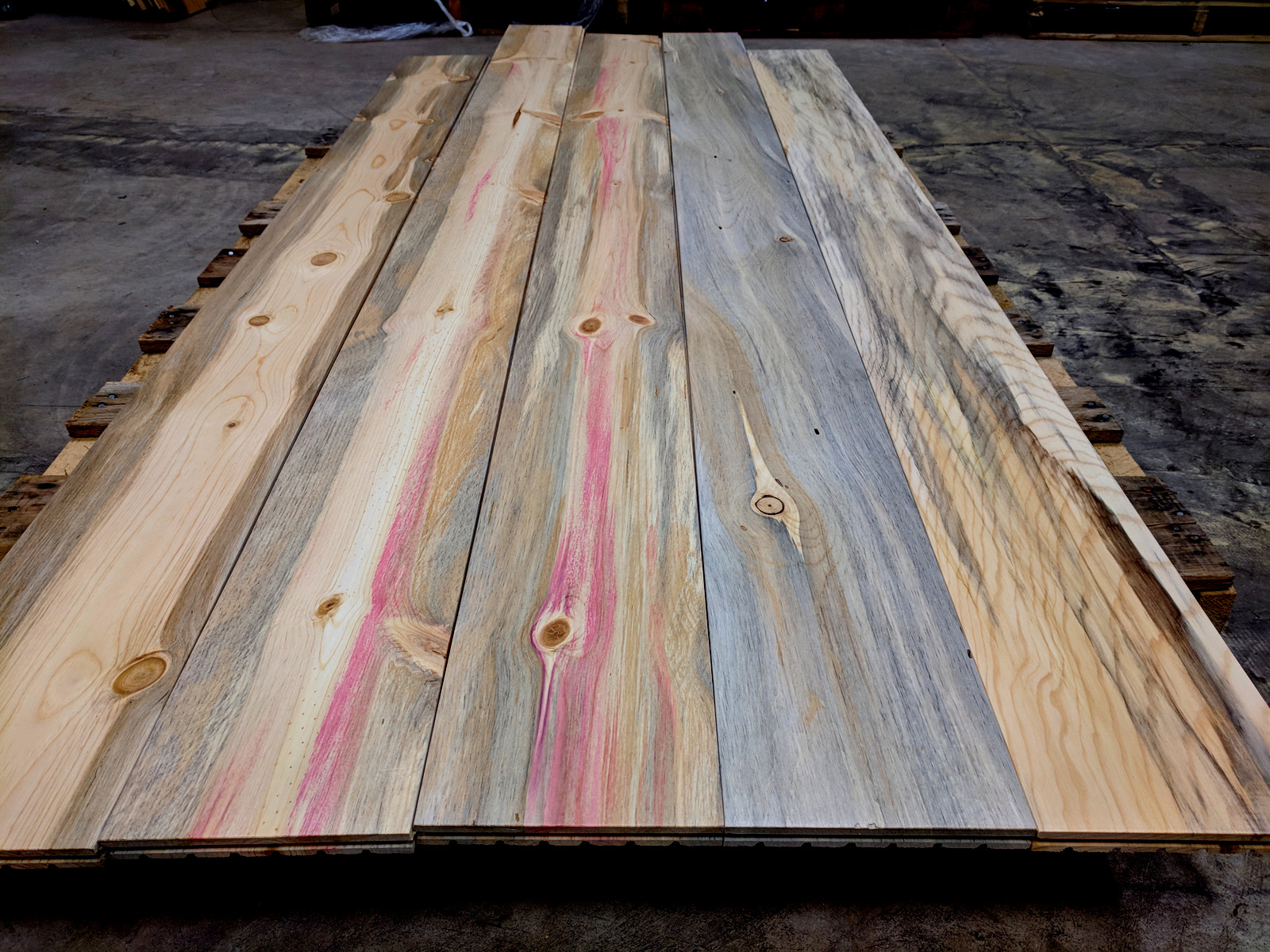 The classic “blue stain” name comes from the most common hue: a striking blue gray discoloration visible when you cut into recently killed trees. However, the fungal pigments can vary based on factors like the specific fungal strain, tree species, moisture, time since death, and even regional conditions.
In many cases, especially in Montana’s beetle salvage operations, the stain colors also contain brown, pink, purple, orange, yellow, and red. Lumber producers often still call it all “blue stain” because it’s the same process, just with cosmetic variations that create even more dramatic, one of a kind patterns.
These colors are purely aesthetic, no decay, rot, or structural weakening occurs from the stain itself. The wood remains strong and safe for use.
Signs of Infestation on the Tree
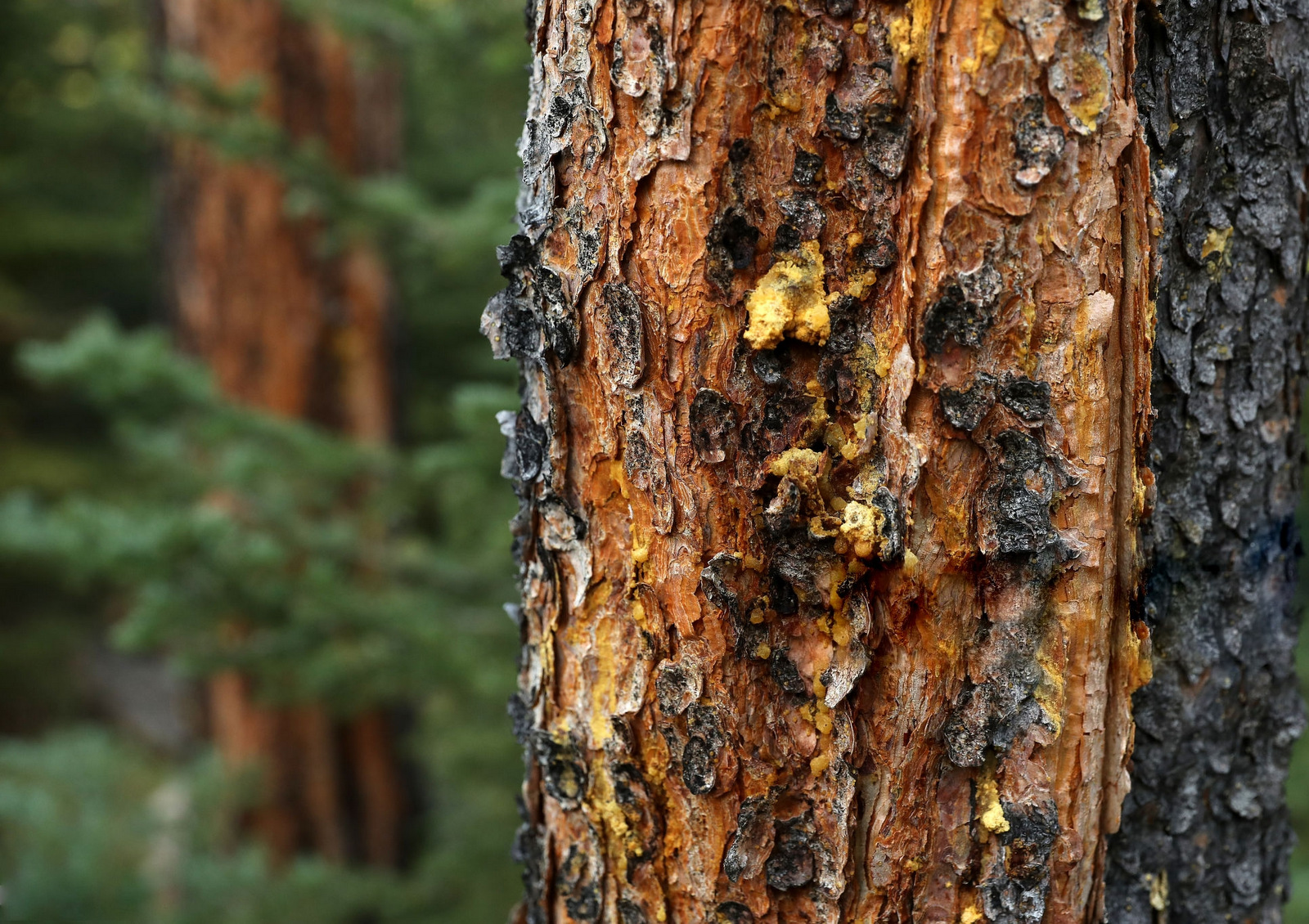
On living or recently killed trees, look for:
- Pitch tubes – popcorn-like blobs of resin (often cream, pink, or reddish) on the trunk where beetles entered, as the tree tries to defend itself.
- Fading needles turning from green to yellow to rusty red within a year, then gray as the tree dies.
The Silver Lining: Turning Tragedy into Beauty
Beetle outbreaks have killed vast stands of pine, but prompt salvage harvesting (ideally within a few years) prevents wildfire fuel buildup and captures the carbon in construction products. The resulting lumber features incredible natural artistry, no artificial stains needed.
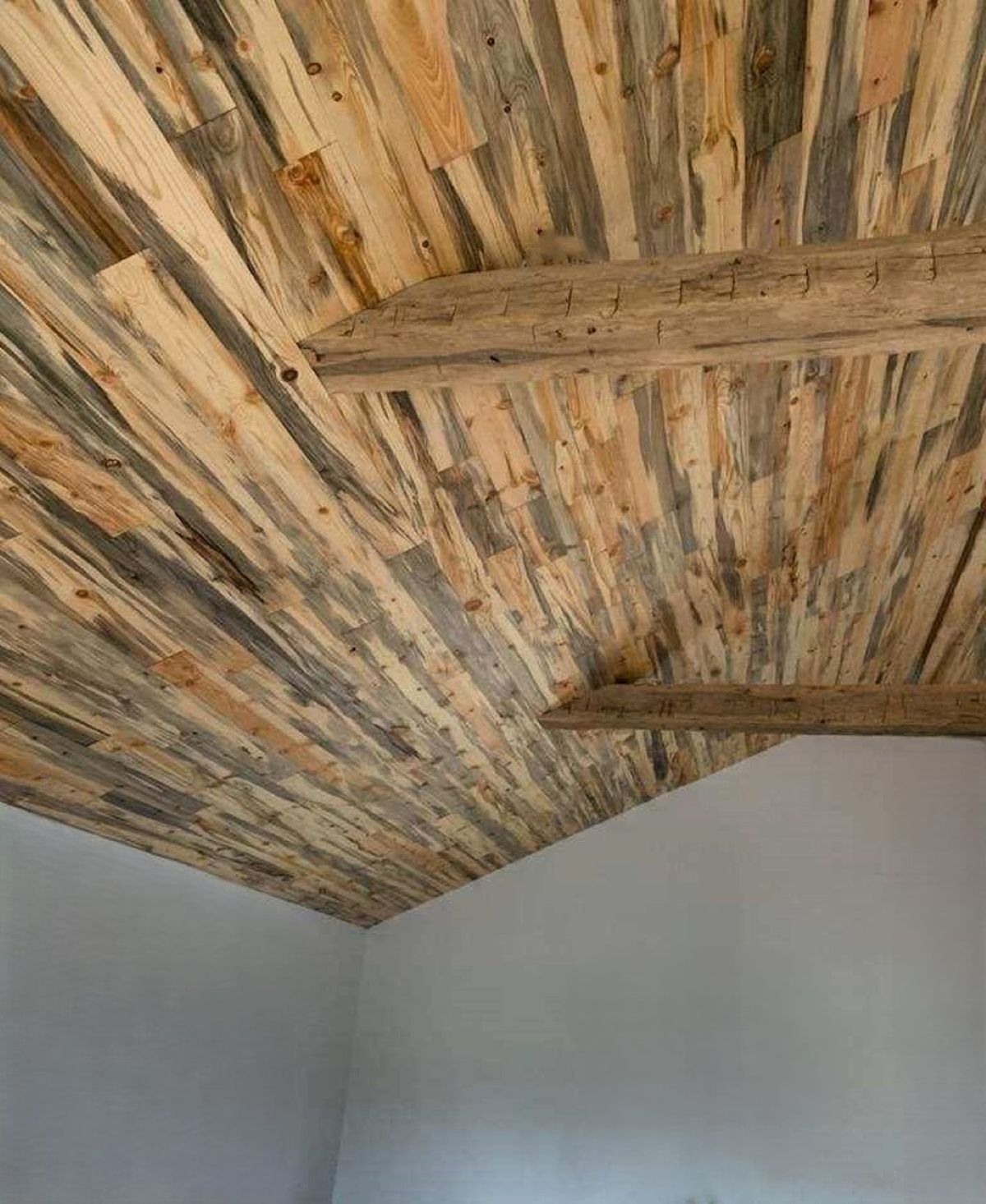 It’s commonly used for:
- Flooring
- Wall paneling and ceilings
- Furniture
- Cabinetry
The unique streaks and color blends make every piece distinctive and eco-friendly.
In places like Montana, beetle kill pine isn’t just salvaged, t’s a sustainable resource turning an ecological challenge into stunning, character rich wood. If you’re milling, building, or just admiring it, that blue stain (and all other colors) tells a story of resilience in the face of nature’s toughest bugs.
Contact us for a quote
Our knowledgeable team at sustainable lumber is here to answer any additional questions you may have. Call us today for a free quote on our sustainable wide plank hardwood flooring at (406) 642-7120 or click here to submit an inquiry online. We look forward to helping you with your next project!