

Hardwood Flooring vs. Luxury Vinyl & Laminate
Posted: April 13, 2026Author – Ryan Palma Owner/CEO Sustainable Lumber Co.
Click on these links to view our extensive line of sustainable hardwood flooring, or email us for a pricing quote, or call us at (406) 642-7120
The 10 Year Cost and Environmental Reality Check
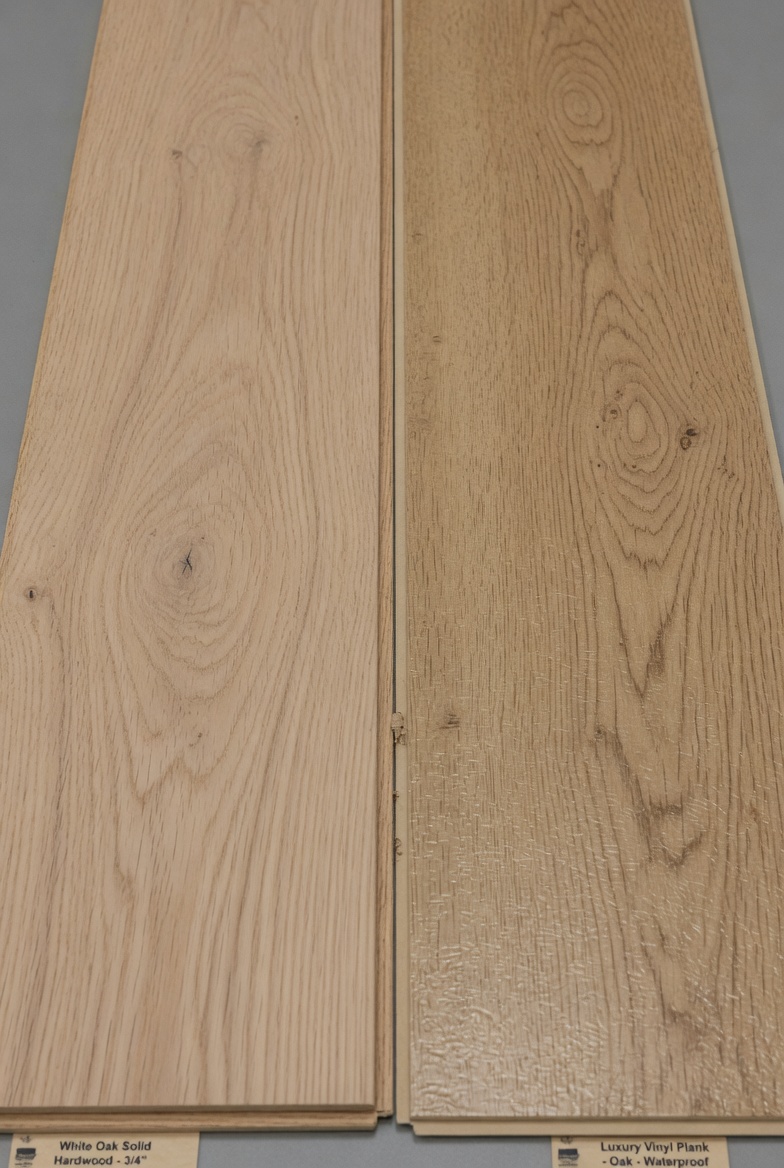 When shopping for new flooring, the upfront price tag is often shocking. Luxury vinyl plank (LVP) and laminate look remarkably like real wood these days, at a fraction of the cost of hardwood. But what happens after 10 years? Does the cheaper option actually save you money, or does it end up costing more in replacements, repairs, and environmental impact?
Let’s cut through the marketing hype with a clear eyed 10 year reality check on costs and sustainability. Whether you’re renovating your home or planning for the long haul, here’s what the numbers and science actually show.
Initial Costs: Vinyl and Laminate Win on Day One
Upfront pricing favors synthetic options:
- Hardwood (solid or engineered): Typically $8–$15+ per square foot installed, with premium species or solid hardwood pushing higher (up to $25 per square foot in some cases).
- Luxury Vinyl Plank (LVP): $3–$12 per square foot installed, often landing in the $5–$9 range for quality products.
- Laminate: The budget champion at $3–$8 per square foot installed.
For a 1,000 sq ft home, that could mean hardwood costing $8,000–$15,000+ installed, while LVP or laminate might run $3,000–$9,000. Vinyl and laminate are also often DIY friendly or quicker to install, shaving labor costs further.
Winner on initial cost: Laminate and LVP.
The 10-Year Cost Reality: Hardwood Pulls Ahead
Here’s where the story flips. Lifespans differ dramatically:
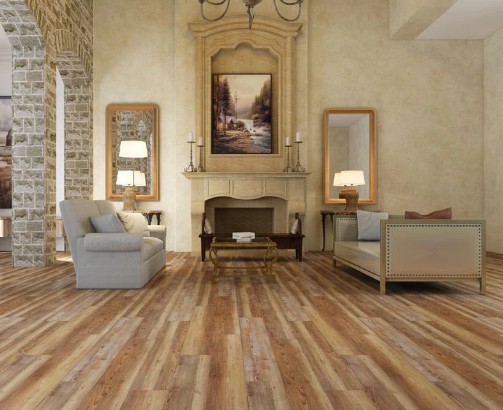
Vinyl flooring
- Hardwood: 50–100+ years with proper care. You can refinish it (sanding and resealing) every 10–20 years to restore its look, often for $3–$5 per sq ft.
- LVP: 10–30 years, depending on quality and traffic. No refinishing possible, when the wear layer fades or damages, it’s replacement time.
- Laminate: 10–25 years. Like vinyl, it’s not refinishable and is vulnerable to moisture swelling.
Over 10 years in a typical home with moderate traffic:
- Hardwood: One time install + minor maintenance/cleaning. Possible light refinishing toward year 10–15 (not always needed). Total added cost: low.
- LVP/Laminate: Likely still in good shape at year 10 for higher quality products, but wear, scratches, or water damage in high traffic or wet areas (kitchens, baths, entries) often prompts earlier replacement or repairs.
Extend the horizon to 20–30 years (common for homeowners staying put), and the math changes sharply. You may need to replace vinyl or laminate once or twice, doubling or tripling the effective cost. Hardwood often needs just one or two refinishes in that span.
Example rough 30-year cost per sq ft (materials + install + maintenance):
- Hardwood: Higher initial (~$10–15) + refinishing (~$5–10 total over decades) = strong long-term value.
- Vinyl/Laminate: Lower initial but full replacement(s) add up quickly.
Hardwood also boosts home resale value with its timeless appeal and “lasts a lifetime” reputation, something appraisers and buyers notice.
10-year winner on total ownership cost: It depends on your timeline. For short-term stays or rentals, vinyl/laminate often win. For homes you plan to keep 10+ years, hardwood frequently delivers better lifetime value.
Maintenance: Ease vs. Longevity Trade-Off
- LVP and Laminate: Low effort. Sweep, damp mop with manufacturer approved cleaners. Highly resistant to scratches, dents, and (in the case of quality LVP) water. Great for pets and kids.
- Hardwood: More careful daily care (avoid excess water, use felt pads on furniture). Periodic refinishing restores it, but that’s a bigger project.
If “set it and forget it” is your priority, synthetics shine short term. But hardwood’s ability to be restored means it doesn’t need full replacement when it shows age.
The Environmental Reality Check: Hardwood Dominates Long-Term
This is where the gap widens dramatically.
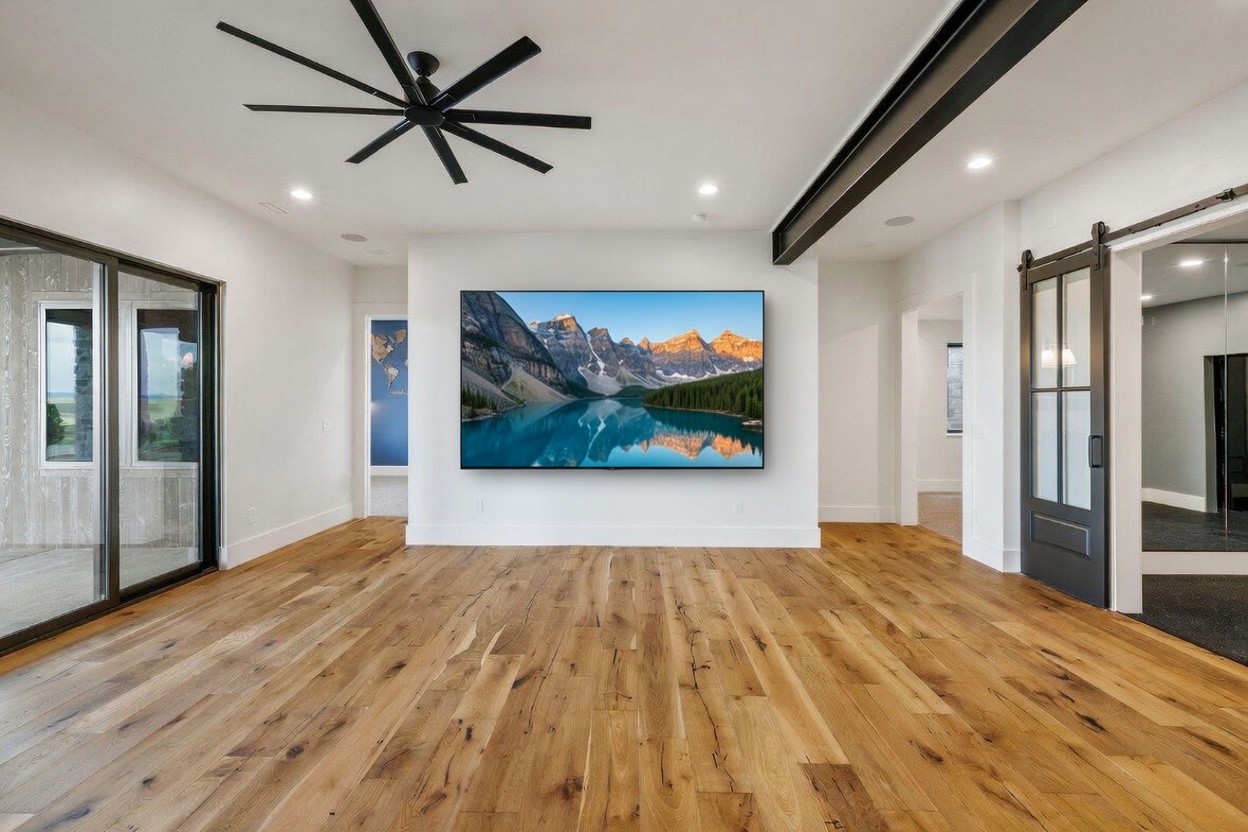
Engineered White Oak Flooring
Carbon Footprint and Lifecycle Impacts:
- Hardwood is a renewable resource when sourced from responsibly managed forests (like FSC and SFI certification). It sequesters carbon during growth, and lifecycle assessments (LCAs) show very low cradle to grave global warming potential, often 9–12 kg CO₂ eq per m² for solid hardwood. It stores carbon long term, and at end of life, it can be reused, refinished, or biodegraded/composted rather than landfilled.
- LVP (Luxury Vinyl Plank): Made from PVC/plastic derived from fossil fuels. Production is energy-intensive and emits more greenhouse gases. LCAs indicate significantly higher impacts, rigid-core LVP can exceed 60 kg CO₂ eq per m², nearly 7 times higher than solid hardwood in some studies. It’s not biodegradable and often ends up in landfills, where it persists for centuries.
- Laminate: A composite of wood fibers, resins, and melamine. It uses some renewable content but involves adhesives and manufacturing emissions. It’s generally better than vinyl in some categories but worse than solid wood overall, with limited recyclability due to layered construction. Many pieces end up in landfills.
Disposal and Waste: Hardwood can often be reclaimed or safely returned to the earth. Vinyl and laminate contribute to plastic waste problems and may release chemicals during production or if incinerated improperly. Frequent replacements for synthetics multiply the environmental toll over decades.
Studies consistently rank solid wood flooring as having among the lowest overall environmental impacts when factoring in longevity, renewability, and end of life options.
10-year environmental winner: Hardwood, especially if you avoid replacement cycles. Synthetics may seem “low impact” initially due to lower production energy in some metrics, but their shorter life and non-biodegradable nature tip the scales against them over time.
Other Practical Considerations
- Water Resistance: LVP wins hands down for bathrooms, kitchens, and basements. Hardwood and laminate need more protection (or engineered versions with better cores).
- Aesthetics and Comfort: Hardwood offers unmatched warmth, character, and natural beauty that improves with age. Vinyl and laminate mimic it well but can feel “plasticky” or hollow underfoot.
- Indoor Air Quality: Look for low VOC certifications across all options. Older vinyl concerns (phthalates, etc.) have improved in many modern products, but natural wood generally has fewer synthetic chemical worries.
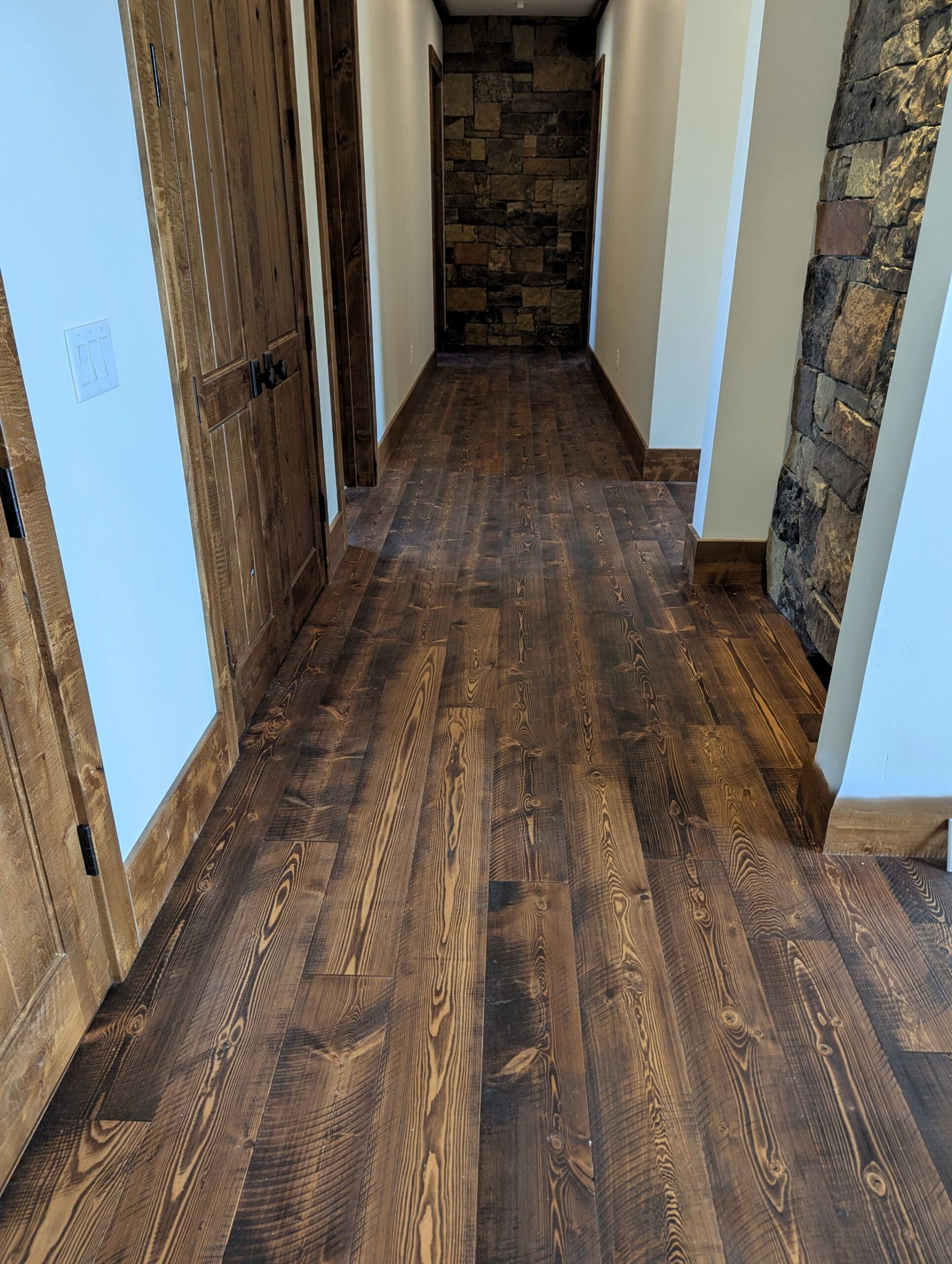
Solid Douglas Fir flooring
The Bottom Line: It Depends on Your Priorities and Timeline
- Choose LVP or Laminate if: You want lower upfront costs, maximum water resistance, easy maintenance, or plan to move/sell within 5–10 years. They’re practical, durable short term solutions that look great out of the box.
- Choose Hardwood if: You value timeless beauty, long term cost efficiency, home value appreciation, and a dramatically lower environmental footprint over decades. It’s an investment that pays dividends in durability and sustainability.
In a 10 year window, vinyl and laminate often feel like the smarter buy on paper. But zoom out, and hardwood frequently delivers superior real world value, both financially and environmentally, thanks to its longevity and natural properties.
Before deciding, factor in your home’s specific needs (traffic, moisture, climate), how long you plan to stay, and your values around sustainability. Consult local installers for current pricing and samples, and always prioritize quality materials and proper installation, no flooring performs well if it’s installed poorly.
Your floors are with you every day. Make the choice that aligns with both your budget today and your home (and planet) for tomorrow.
Contact us for a quote
Our knowledgeable team at sustainable lumber is here to answer any additional questions you may have. Call us today for a free quote on our sustainable wide plank hardwood flooring at (406) 642-7120 or click here to submit an inquiry online. We look forward to helping you with your next project!