

Homesteader Magazine Featured Article
Posted: April 13, 2015Source: Homesteader Magazine
We had a nice write up in the Homesteader Magazine regarding our beetle kill pine products. Personal thanks to Kellen Beck at the Missoula Independent.
Featured story:
Good wood from bad
The growing demand for “garbage lumber”
By Kellen Beck
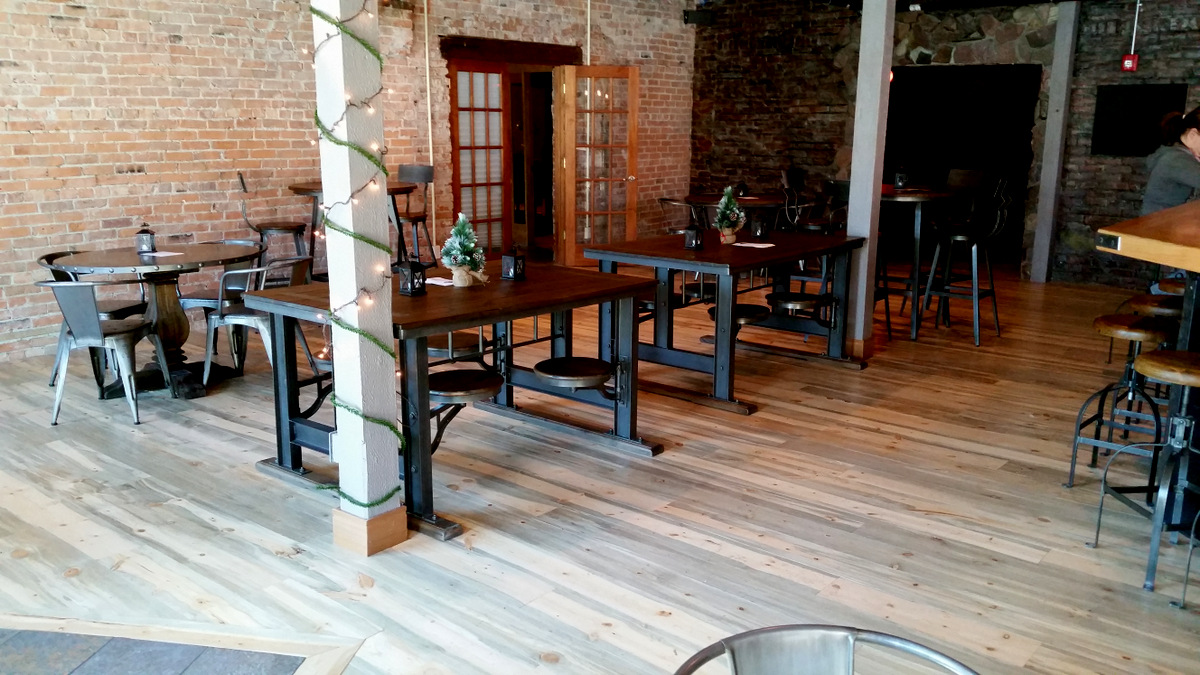
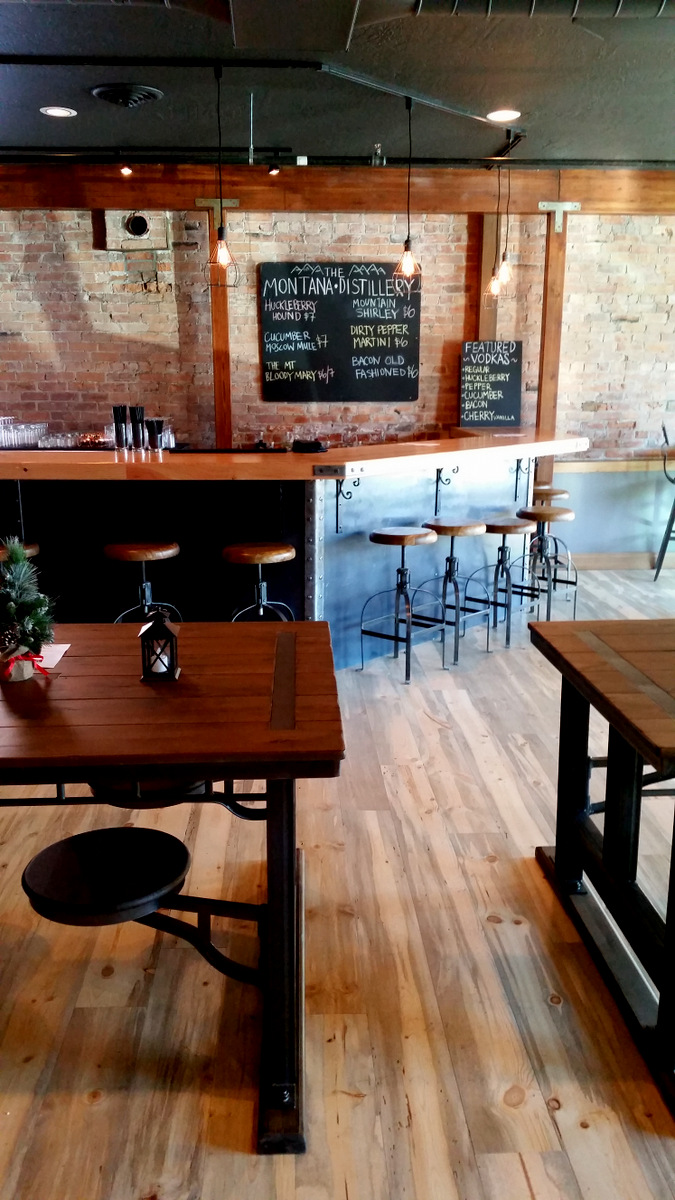
The MontanaDistillery
Streaks of blue and gray curl around knots in Montana Distillery’s new hardwood floor. The colors ebb and flow with the grain of the wood, complementing the galvanized steel and raw brick accents owner Mark Hlebichuk used to create an industrial theme he and his wife Shari felt would best suit the character of the 115-year-old building.
But it’s the floor that’s most striking. The high contrast if the blue and gray with the light tan of the hardwood draws the eye. Each board has its own character. The surface provides texture and depth.
“Why buy plain lumber and make it all fancy shmancy when that’s not what we are and that’s not what Montana is? asks Hlebichuk.
It’s a question getting asked more and more often. Local businesses that supply beetle-kill and reclaimed lumber are having a hard time keeping up with the increasing demand for their products. Sustainable Lumber says it turns down one out of every two orders it receives. Bad Goat Forest Products reports that it can barely keep their items on the shelves at Home Resource and have had to purchase new machinery to expand production. They don’t anticipate the trend slowing anytime soon, especially not with so many recent high-profile businesses showcasing their work. In addition to the floors at Montana Distillery, Missoula’s newest brewery, Imagine Nation, features a snaking bartop made of reclaimed ponderosa.
“It’s just a nice feel.” Says Hlebichuk if his beetle-kill floor. “It looks natural, not like you’re trying to impress someone.”
Natural hue
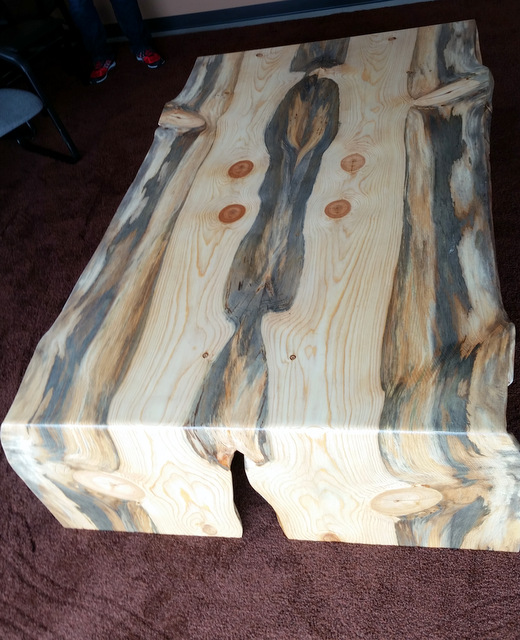 The blue coloring of beetle-kill lumber originates from a highly pigmented fungus that lives in the mouth piece of the Rocky Mountain pine beetle. The fungus is introduced when the beetle begins to bore its way into the tree and it inhibits the tree’s natural defense, resin, from being produced. As the tree naturally dries, the fungus creeps deeper into the tree, coloring it more as itgrows.
Not long ago, this beetle-killed lumber was destined for the pulp mill. Only recently did its natural character become something of a rallying point for consumers looking for a rustic-chic appeal and the backstory of sustainability and reuse.
“I think it’s just naturally beautiful” says Ryan Palma, owner of Sustainable Lumber. “I mean, it’s basically hand-painted by Mother Nature.”
Palma’s company allows the dead trees to stand for about five years before they are cut down. The aging process allows the fungus to penetrate the wood deeper, giving it more of the blue color people love so much.
But Sustainable Lumber doesn’t just focus its efforts on beetle-kill lumber. Palma’s company also provides Douglas fir flooring that is live-cut and uses reclaimed barn wood. He’s in the process of patenting a design for reclaimed pallet-board walls. (Another local company Heritage Timber, specializes in salvaging wood from dismantled buildings and providing reclaimed materials – yet another way old wood is being reused in the area.)
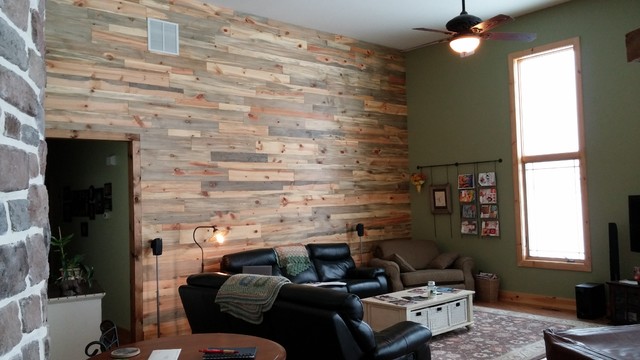 Sustainable Lumber gets most of its beetle-kill and fir products from two privately owned ranches up Gold Creek. Their logger, Dallis Hunter, practices sustainable forestry by reseeding and considering the ecological health of the forest. He makes sure to leave stands behind for birds and bird habitat when he is logging and cleans up the bottom limbs of trees so that when a forest fire goes through, the underbrush burns, but not the trees he leavesbehind.
Palma notes that turning something that was once considered “garbage lumber” into something trendy and beautiful for the home can be fairly costly. “We lose quite a few orders because people are price buyers, not quality buyers,” says Palma.
He explains that because the fungus is a precursor to rot, there are many splits and cracks in the boards. It’s difficult to find anything in these colored pieces of wood that can be salvaged. Production costs are also fairly high due to the amount of labor to salvage usable pieces of wood.
 “When I started this company, I was like, ‘We’re going to specialize in super heavy color and character,’ but it’s a nightmare,” Palmasays.
Although the company only gets a usable product out of about 50 percent of its lumber, Sustainable does use 100 percent of the wood it cuts down. Leftovers are either fed into the wood-drying kiln for heat or donated to local ranchers for animal bedding.